

Decoding the Alternatives: Licensed vs Unlicensed Software

Anyigba 2021 – (1st AGM)
May 8, 2014Aus E Wallet Casino Australia
April 10, 2025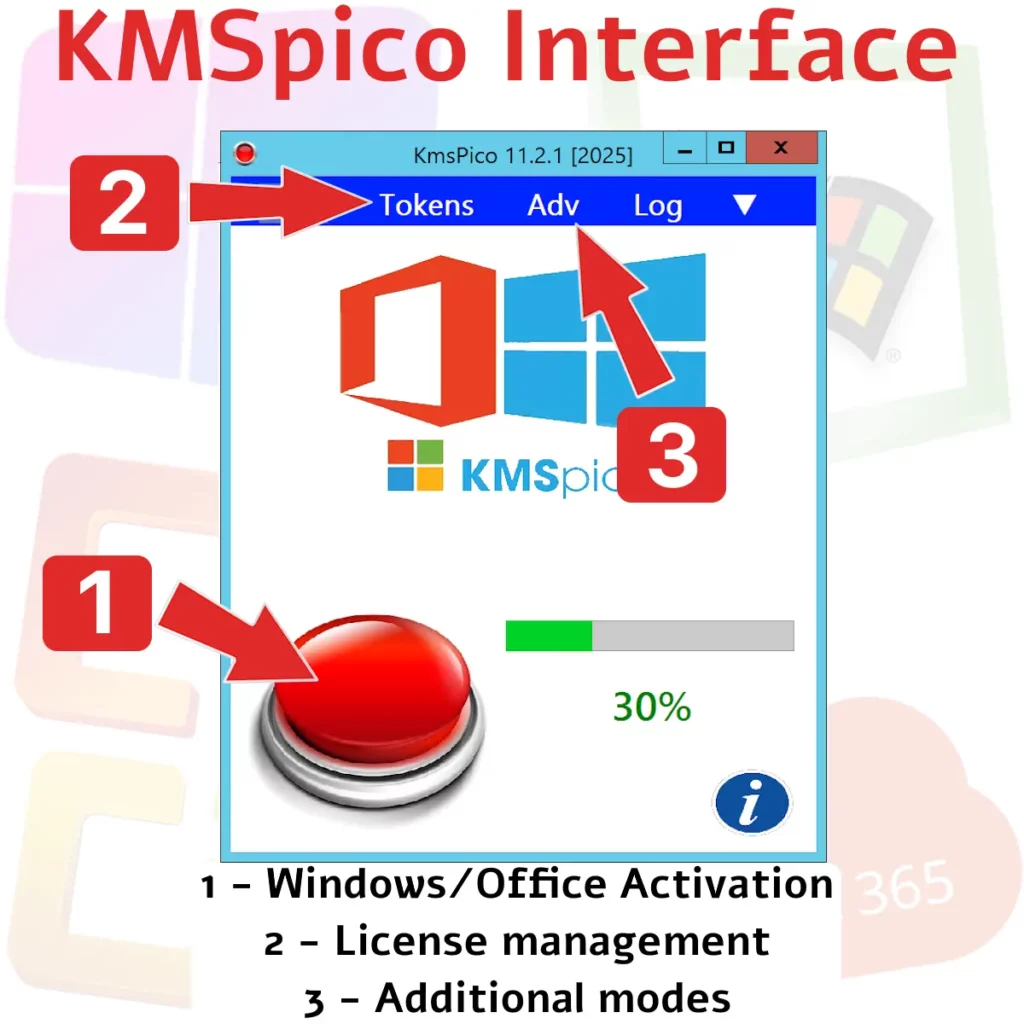
In the ever-evolving landscape of software acquisition and deployment, users often encounter the challenge of choosing between licensed and unlicensed software. Among various tools that facilitate software activation, km spico has gained significant attention. This article delves into the implications of using such tools and explores their impact on business operations and legal compliance.
Understanding Software Licensing
Software licensing is a legal framework that dictates how software can be used and distributed. It ensures that developers are compensated for their work and encourages ongoing innovation. Licensed software provides users with specific rights, often including access to updates and support.
When considering software licensing, it’s important to recognize its role in protecting both the creators’ intellectual property and the end-users’ investment. By providing a structured method of distribution, licensing prevents unauthorized duplication and use, which could otherwise undermine the market for legitimate products. Furthermore, it fosters a competitive environment where developers are motivated to create superior products, knowing their work will be protected.
The Role of km spico in Software Activation
Kms pico is a tool reportedly used for activating various Microsoft products without purchasing official licenses. Users often turn to this tool in pursuit of cost savings, particularly with products like kmspico windows 7 and kmspico office 2016. However, utilizing such tools comes with significant risks.
The allure of km spico lies in its promise of cost-free access to essential software suites, which can be particularly tempting for individuals or small businesses operating under tight budget constraints. Despite these perceived benefits, it’s crucial to weigh them against the potential downsides. Relying on an unverified activation tool like km spico can expose users to numerous vulnerabilities that could outweigh any initial savings. For a comprehensive understanding of licensed versus unlicensed software, visit the official website https://www.kmspico.lc/ for valuable insights.
Advantages and Risks of Using km spico
While km spico might initially seem beneficial by providing free access to costly software, it poses several risks. These include potential legal ramifications and vulnerabilities to malware. Unlicensed software can lead to data breaches, financial penalties, or even criminal charges.
The legal concerns surrounding km spico usage extend beyond mere policy violations; they touch upon broader ethical considerations about fair compensation for creative work. Additionally, the technical shortcomings of using such tools cannot be overlooked. Without official validation from the software provider, users may face interruptions or performance issues that disrupt critical business functions.
Kms Activation: A Double-Edged Sword
Kms activation techniques employed by tools like km spico bypass genuine validation processes. Although they may activate products successfully, the lack of official support could hinder performance, especially during critical updates or patches.
This method effectively circumvents established security protocols designed to protect end-users from malicious threats. As a result, systems activated via kms methods might become more susceptible to cyberattacks or data corruption over time. Businesses must consider whether these risks justify the initial savings provided by kms activation tools.
Implications for Business Operations
Businesses relying on unlicensed software may face operational challenges. For instance, incompatible updates may result in downtime. Additionally, legal compliance issues could damage an organization’s reputation significantly.
The reputational damage associated with non-compliance can have long-lasting effects on customer trust and industry standing. In today’s competitive marketplace, maintaining a positive public image is vital for attracting new clients and retaining existing ones. Therefore, investing in licensed solutions not only ensures operational efficiency but also safeguards a company’s reputation.
Comparison
| Aspect | KM Spico | Alternative |
|---|---|---|
| License Type | Open Source | Proprietary |
| Cost | No cost involved | Subscription fees apply |
| User Limitations | No user restrictions | User cap based on plan |
| Support Availability | Community-driven support | Dedicated support team |
| Feature Updates | Irregular updates | Regular feature updates |
Legal Considerations
The legality of using km spico varies by jurisdiction but generally falls outside acceptable use policies set forth by companies like Microsoft. Legal frameworks typically protect intellectual property rights, thus encouraging ethical practices in software usage.
Given this context, organizations should prioritize understanding local laws related to software licensing before making decisions about their IT infrastructure. Consulting legal experts or conducting thorough research can help businesses navigate these complexities while ensuring adherence to all relevant regulations.
Comparing Licensed Software Options
For organizations considering licensed versus unlicensed options, understanding the benefits of legitimate software is crucial. Licensed solutions offer reliability, security, and comprehensive support which are indispensable for efficient operations.
Moreover, legitimate licenses provide peace of mind through guaranteed compatibility with future system upgrades or hardware changes—a key consideration as technology continues evolving rapidly across industries worldwide.
Security Benefits
Licensed software undergoes rigorous testing for security and compatibility issues before release. This protects businesses from potential cyber threats that often accompany unverified activators like km spico.
The comprehensive nature of security measures implemented within licensed products extends beyond basic virus protection—encompassing features such as encryption protocols designed specifically around sensitive data handling requirements unique among various sectors globally today!
Operational Support
A significant advantage of licensed software is access to professional customer support services. These services ensure that any challenges encountered during installation or operation are swiftly resolved.
This level of dedicated assistance proves invaluable when dealing with complex configurations involving multiple interconnected systems typical among modern enterprises operating at scale today—minimizing disruptions caused by unforeseen technical difficulties encountered along way!
Technical Tools and Environments
Ensuring that licensed software functions optimally often involves using specialized tools such as DISM (Deployment Imaging Service Management) for system readiness assessments. In lab environments with constraints such as VM setups (2 vCPU / 4 GB RAM), these tools perform essential roles in maintaining system integrity.
This proactive approach helps identify potential issues early during deployment phases—allowing IT teams ample time address them effectively without causing unnecessary delays project timelines overall success rates achieved throughout process implementation lifecycle stages involved therein too!
Navigating Updates with Licensed Software
- Automatic access to updates ensures seamless operation despite evolving cybersecurity landscapes.
- The ability to schedule updates avoids disruptions during peak business hours.
This flexibility allows companies maintain high levels productivity while adapting quickly changing technological environments—a critical factor determining long-term viability success within increasingly competitive global marketplaces faced today!
Kms Pico vs Licensed Solutions: A Comparative Analysis
The decision between opting for km spico or licensed alternatives boils down to weighing short-term gains against long-term security and operational efficacy. While immediate cost savings might appeal to some users, licensed solutions provide sustainable benefits through enhanced capabilities like data analysis and precision tools integration.
